

The depths of the ocean continue to guard secrets from centuries past, offering glimpses into forgotten eras of trade, exploration, and swashbuckling adventure.
Recently, a significant discovery off the coast of Madagascar has sent ripples through the world of maritime archaeology and history. According to a detailed report from Live Science, a team of archaeologists from the Center for Historic Shipwreck Preservation believes they have successfully identified the wreck of a legendary 18th-century Portuguese ship. This vessel, heavily laden with treasure, met a dramatic end, famously attacked by pirates in 1721. The identification of this shipwreck marks a thrilling moment for historians, offering tangible links to the infamous Golden Age of Piracy.
The Fateful Voyage of the Nossa Senhora do Cabo
The ship in question is believed to be the Nossa Senhora do Cabo (Our Lady of the Cape). Her final voyage began in 1721, departing from India. Her destination was Portugal, carrying not only a vast and valuable cargo but also prominent passengers. The vessel was filled with immense riches: an impressive cache of gold, sparkling silver, and a glittering array of precious gems.
Beyond these material treasures, the Nossa Senhora do Cabo was also tasked with transporting high-ranking officials. On board were the outgoing Portuguese Viceroy, a senior colonial administrator responsible for governing Portuguese India, and the Archbishop of Goa, a significant religious figure. This made the ship a prize beyond measure, a floating repository of wealth and influence.
The journey was meant to be routine, a return to the motherland after years of colonial administration. However, the seas were fraught with peril. In an era when piracy terrorized vital trade routes, the Nossa Senhora do Cabo became a prime target. Her rich cargo and high-value passengers made her irresistible to the buccaneers lurking in the Indian Ocean. The ship was eventually intercepted and brutally captured by a notorious group of pirates. Among these infamous figures were the legendary Olivier Levasseur, widely known as “La Buse” (The Buzzard), and the equally formidable John Taylor. Their attack was a bold and successful act of piracy, leaving the Nossa Senhora do Cabo and her riches to the mercy of the waves.
The Discovery Site: Nosy Boraha’s Historical Link
Divers located the remains of this historic ship on the seafloor near the picturesque island of Nosy Boraha. This island, situated off the northeastern coast of Madagascar, holds a unique and significant place in the annals of piracy. Historically, it was known as Île Sainte-Marie and served as a crucial haven, base, and even a temporary “republic” for pirates during the late 17th and early 18th centuries. This period is famously dubbed the “Golden Age of Piracy.”
The island’s strategic location, natural harbors, and proximity to lucrative shipping lanes made it an ideal hideout for buccaneers operating in the Indian Ocean. Finding the Nossa Senhora do Cabo’s wreckage in this particular area strengthens the historical narrative, tying the physical discovery to the well-documented activities of pirates like Levasseur and Taylor.
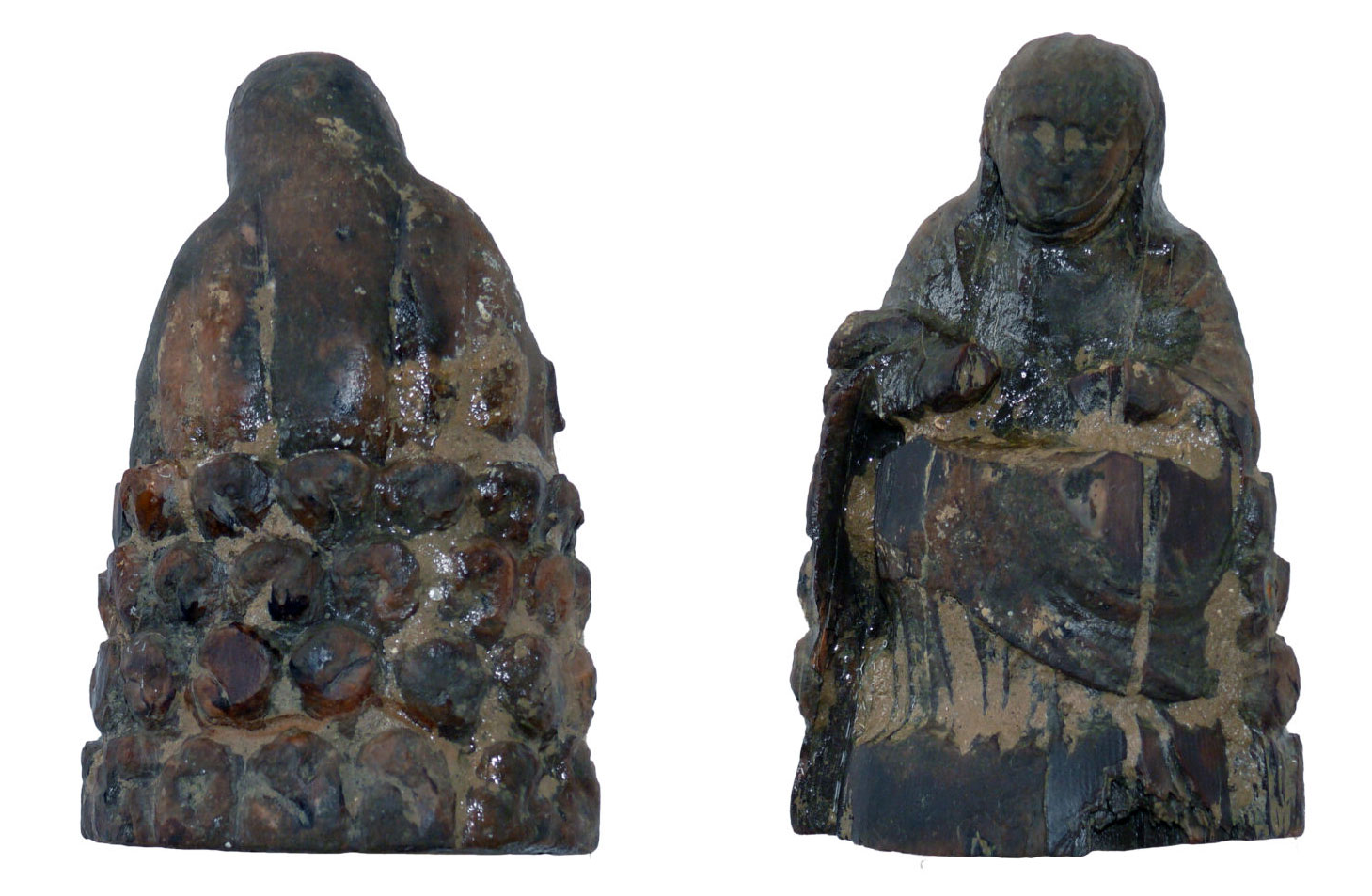
The discovery site itself has proven to be incredibly rich in archaeological material. To date, divers have meticulously retrieved more than 3,300 artifacts from the wreckage. This vast collection of objects provides an invaluable window into the ship’s history, its cargo, the lives of those on board, and the tragic circumstances of its demise. Each recovered artifact tells a part of the story, contributing to a more complete understanding of this maritime tragedy.
Evidence Supporting the Identification
The identification of the shipwreck as the Nossa Senhora do Cabo is not based on mere speculation or wishful thinking. According to Brandon Clifford, the director of the Center for Historic Shipwreck Preservation, several key pieces of compelling evidence strongly support this conclusion. Clifford and his team have conducted thorough research and analysis, meticulously cross-referencing their findings with historical records.
The retrieved artifacts include numerous religious items. These objects, such as crucifixes, rosaries, and devotional medals, are consistent with the presence of high-ranking Portuguese clergy, including the Archbishop of Goa, on board the vessel. Their style, materials, and iconography provide crucial cultural and chronological markers.
Furthermore, a significant portion of the recovered objects were definitively identified as having been made in Goa. Goa was a prominent Portuguese colony located on the west coast of India. For centuries, it served as the capital of Portuguese India and was a vital trading hub, known for its distinct craftsmanship and cultural production. The presence of Goan-made artifacts on the wreck strongly links the ship to the Portuguese Indian trade route and its specific origins, aligning perfectly with the known departure point of the Nossa Senhora do Cabo.
The combination of religious artifacts, objects of Goan origin, and the historical context of the wreck’s location near a known pirate haven provides a robust body of evidence. This meticulous archaeological work, combining underwater exploration with historical documentation, forms a strong foundation for the identification of this legendary Portuguese ship.
The Legacy of Piracy and Future Discoveries
The discovery of the Nossa Senhora do Cabo off Madagascar serves as a powerful reminder of the enduring legacy of piracy during the 17th and 18th centuries. Pirates were not merely figures of romantic lore; they were a significant force that disrupted global trade, challenged colonial powers, and left an indelible mark on maritime history. Figures like Olivier Levasseur, who reportedly boasted of a vast hidden treasure, continue to fuel fascination and inspire treasure hunts to this day. The recovery of artifacts from a ship associated with such notorious figures brings history vividly to life.
This discovery also underscores the immense potential for future archaeological finds in the waters around Madagascar and other historical pirate strongholds. The region’s complex currents, diverse seafloor, and rich history of maritime activity mean that many more secrets likely lie preserved beneath the waves. Each new discovery contributes not only to our understanding of specific shipwrecks but also to broader insights into global trade networks, naval technologies, and the social and economic impacts of piracy.
The work of the Center for Historic Shipwreck Preservation exemplifies the interdisciplinary nature of maritime archaeology. It requires a blend of advanced diving techniques, sonar mapping, artifact conservation, and rigorous historical research. The success in identifying the Nossa Senhora do Cabo will undoubtedly encourage further exploration and investment in preserving these invaluable underwater heritage sites. The protection of these wrecks is crucial, as they represent irreplaceable historical archives, offering direct evidence of past events and cultures that cannot be found elsewhere.
For those fascinated by the tales of historical buccaneers, the search for evidence of Captain Henry Morgan’s audacious raid on Panama City offers another compelling chapter in pirate history. This ongoing archaeological quest, often summarized as “Pirates of the Original Panama Canal,” involves excavating the remains of the old city and its fortifications, seeking tangible proof of Morgan’s destructive assault in 1671.
Such investigations, whether on land or beneath the sea, continue to bring the dramatic sagas of pirates and their targets into sharper focus, enriching our understanding of this tumultuous period. The discovery of the Nossa Senhora do Cabo adds another thrilling piece to this global puzzle of maritime adventure and plunder.

Alexandr Wang, the founder of the prominent artificial intelligence technology company Scale AI, has taken a firm and unapologetic stance regarding his company's contracts with the United States military. Unlike Read more

As summer progresses across the United Kingdom, a familiar and often overwhelming natural phenomenon is gearing up for its annual appearance. However, this year, experts are warning that the Read more
Internet and cable services provided by Xfinity and Comcast Business to customers in the Houston area have been fully restored. The widespread disruption was identified by the company as being Read more

New data released on Wednesday, June 4, 2025, confirms that Nvidia's (NVDA.O) newest chips are making significant advancements in the crucial area of training large artificial intelligence (AI) systems. Read more

The thunderous roar, the brilliant ascent against the twilight sky – a spacex rocket launch is more than just an engineering feat; it's a powerful symbol of human ambition and Read more

More than 1.15 million power banks are currently under an urgent recall across the United States. This significant safety measure comes after multiple consumers reported incidents involving fires and explosions Read more