

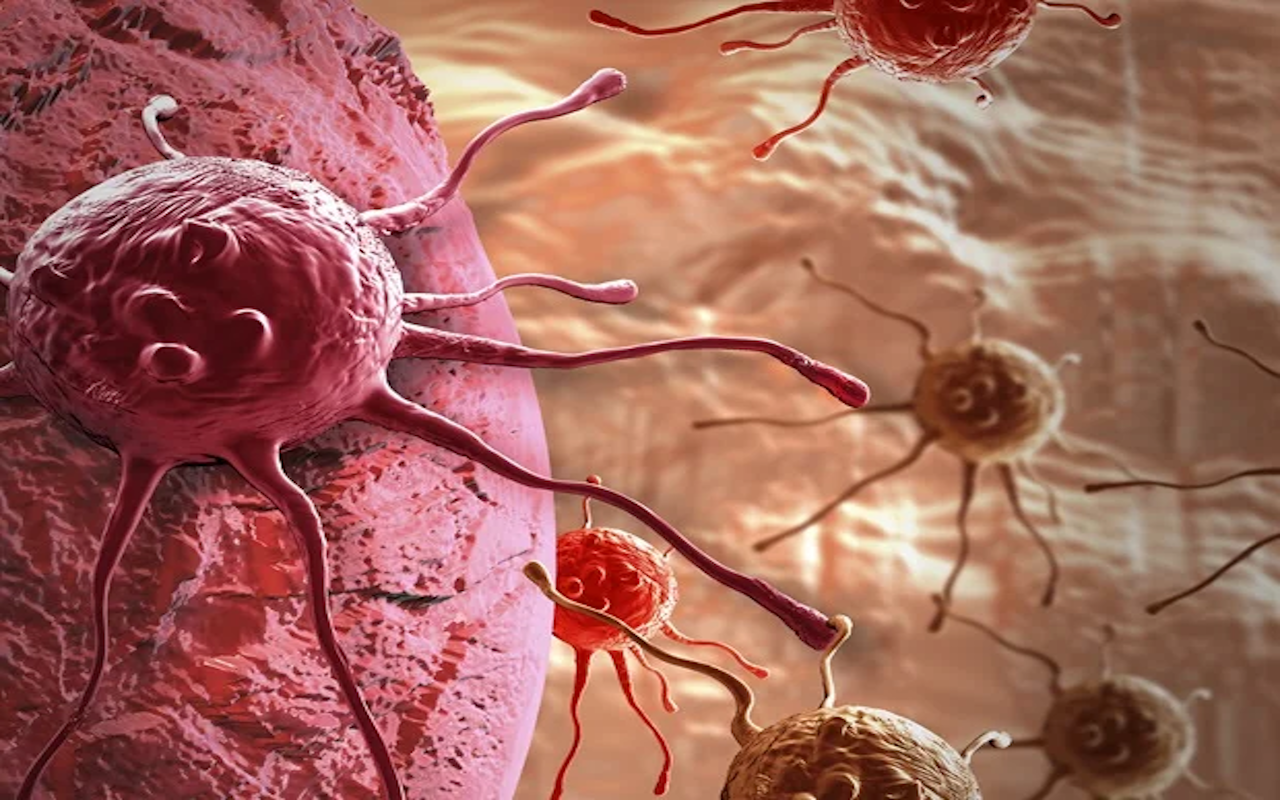
The human immune system possesses remarkable capabilities in detecting and eliminating threats, including cancerous cells. At the forefront of this defense are CD8⁺ T cells, often referred to as the immune system’s frontline warriors.
These specialized white blood cells are meticulously trained to identify and destroy abnormal cells, such as those associated with tumor growth. However, in the complex and often hostile environment of a developing tumor, these powerful immune cells frequently falter. This phenomenon is known as immune exhaustion.
Immune exhaustion is a state of dysfunction induced by chronic exposure to antigens within the tumor microenvironment. Prolonged stimulation without adequate co-stimulatory signals, combined with a barrage of immunosuppressive molecules released by the tumor and surrounding cells, pushes CD8⁺ T cells into this exhausted state. When T cells become exhausted, their critical functions are severely compromised. They stop proliferating, meaning they cannot multiply to form a robust army against the cancer.
Their ability to produce vital signaling molecules, known as cytokines, which are essential for coordinating immune responses, significantly diminishes. Furthermore, exhausted T cells often overexpress inhibitory receptors on their surface, such as PD-1, CTLA-4, and LAG-3. These receptors act like “off switches,” dampening the T cell’s activity and preventing them from effectively attacking cancer cells.
Beyond these functional impairments, exhausted T cells also suffer from profound metabolic dysregulation. Their mitochondria, the powerhouses of the cell, break down. Their overall metabolism becomes severely impaired, leaving them energy-starved and unable to sustain their anti-tumor activities. Due to these compounded dysfunctions, many traditional and even some advanced cancer treatments struggle to achieve durable responses. The presence of exhausted T cells creates a formidable barrier to effective immunotherapy. Faced with these challenges, there is an urgent and critical need for extensive research into how to reactivate these fatigued immune fighters, restoring their full combat readiness.
Unveiling the Mechanisms of Immune Fatigue
A groundbreaking and comprehensive review, published in Cancer Biology & Medicine (DOI: /10.20892/j.issn.2095-3941.2024.0628), has shed new light on the multi-layered causes and consequences of CD8⁺ T cell exhaustion in cancer. Researchers from Jining Medical University spearheaded this in-depth analysis. Their work is a testament to the collaborative nature of modern scientific inquiry, drawing together insights from diverse fields. These include immunology, epigenetics, metabolism, and tumor biology.
By integrating these various perspectives, the study presents a unified and holistic picture of how immune fatigue develops within the context of cancer. More importantly, it offers compelling strategies for how this critical immune dysfunction might be reversed. By meticulously exploring both the molecular roots of exhaustion and the therapeutic frontiers, this review provides a compelling roadmap for designing the next generation of immunotherapies. The ultimate goal is to overcome this significant barrier to effective cancer treatment.
The Hostile Tumor Microenvironment
The review meticulously decodes the intricate mechanisms that drive CD8⁺ T cell exhaustion. This complex process primarily unfolds when cancer persists and continuously overwhelms the body’s natural immune defenses. A major and pervasive contributor to T cell exhaustion is the tumor microenvironment (TME) itself. The TME is not a static entity; it is a dynamic and highly suppressive ecosystem created and manipulated by the tumor.
Within this hostile environment, various immune suppressor cells actively proliferate. These include Regulatory T cells (Tregs) and Myeloid-Derived Suppressor Cells (MDSCs). Both cell types contribute significantly to immune evasion by releasing a plethora of immunosuppressive molecules. Notably, they flood the tumor space with cytokines such as Interleukin-10 (IL-10) and Transforming Growth Factor-beta (TGF-β). These cytokines are potent inhibitors of T cell function, effectively shutting down their anti-tumor responses.
Furthermore, stromal fibroblasts, which are connective tissue cells within the TME, erect physical and biochemical barriers. These barriers physically impede T cell infiltration into the tumor core. They also release factors that further suppress immune activity. Adding to the detrimental conditions, the TME is often characterized by hypoxia (low oxygen levels), nutrient deprivation (cancer cells consume vast amounts of nutrients, leaving little for T cells), and an excess of adenosine.
These metabolic stressors compound the damage to T cells, further draining their energy and functional capacity. Consequently, exhausted T cells exhibit high expression of inhibitory receptors, significant metabolic faltering, and distinct epigenetic marks. These epigenetic modifications essentially “lock” the T cells into their dysfunctional, exhausted state, making them resistant to reactivation.
Key Molecular Players and Reversal Strategies
The review identifies several key molecular players that are central to the development and maintenance of CD8⁺ T cell exhaustion. Transcription factors such as TOX, NR4A, and BATF are critical in this process. These factors play a pivotal role in rewiring the gene expression of T cells, diverting them away from their normal effector functions—which include killing cancer cells and producing inflammatory cytokines—towards a state of anergy and dysfunction. Simultaneously, non-coding RNAs and histone modifiers act as additional regulators.
They reinforce this altered cellular identity, ensuring the T cells remain in their exhausted state. These epigenetic mechanisms create a “memory” of exhaustion, making it difficult for the cells to revert to their functional state.
Despite these significant challenges, the researchers emphasize that hope lies in actively reversing this trajectory. The review highlights several promising therapeutic tools and strategies that are currently being investigated:
- Immune Checkpoint Inhibitors (ICIs): These are perhaps the most well-known strategy. ICIs block the inhibitory receptors (like PD-1 and CTLA-4) on T cells, effectively removing the “brakes” on the immune response. By doing so, they can reinvigorate exhausted T cells and allow them to resume their anti-tumor activity.
- Epigenetic Modulators: These drugs aim to reverse the “epigenetic locks” that keep T cells in an exhausted state. By modifying gene expression without altering the underlying DNA sequence, epigenetic modulators can reprogram exhausted T cells to regain their effector functions.
- Metabolic Reprogramming: Strategies focused on restoring the metabolic health of T cells are crucial. This involves approaches to improve mitochondrial function and nutrient uptake, ensuring T cells have the necessary energy to fight. This could involve targeting specific metabolic pathways or supplying essential metabolites.
- Gut Microbiota Reshaping: Emerging research suggests a strong link between the gut microbiome and immune responses. Modulating the gut microbiota through diet, prebiotics, or fecal microbial transplantation could indirectly enhance T cell function and reduce exhaustion.
- Engineering T Cells (CAR-T and CRISPR): This represents a particularly powerful and innovative strategy.
- Chimeric Antigen Receptor T-cell (CAR-T) platforms involve genetically modifying a patient’s own T cells in the lab to express a synthetic receptor that specifically targets cancer cells. These engineered T cells are then reinfused into the patient.
- CRISPR gene-editing tools can be used to precisely modify genes within T cells. Researchers can use CRISPR to delete genes that promote exhaustion or insert genes that enhance T cell survival and function. For example, CRISPR can remove genes for inhibitory receptors or add genes that make T cells more resistant to the suppressive TME. These engineered T cells are designed to resist exhaustion, making them more resilient and effective against tumors.
The review strongly emphasizes that combinations of therapies are showing the most promise. Strategies that simultaneously relieve immune suppression within the TME and boost the intrinsic resilience and function of T cells are proving most effective. This multi-pronged approach addresses the complex nature of immune exhaustion from several angles. The authors conclude that tailored, multi-pronged therapies will be essential for achieving lasting and durable tumor control in cancer patients. This approach moves beyond single-target interventions towards a more holistic strategy.
Empowering the Immune System: A New Era in Cancer Therapy
Dr. Tao Zhong, the senior author of the study, powerfully summarized the essence of their findings: “Exhausted CD8⁺ T cells are like soldiers trapped behind enemy lines—cut off from reinforcements and starved of fuel. Our review reveals how cancer exploits this weakness and, more importantly, how we can intervene. By targeting the underlying checkpoints, metabolic imbalances, and epigenetic blocks, we can restore their combat readiness. The future of immunotherapy lies not just in attacking cancer, but in empowering the immune system to fight back with full force.” This analogy vividly illustrates the challenge and the potential solution.
This groundbreaking work by the Jining Medical University team paves the way for the development of more precise and effective cancer immunotherapies. By meticulously mapping the complex landscape of immune exhaustion, researchers and clinicians gain invaluable insights. This improved understanding can lead to better patient stratification. It allows clinicians to more accurately identify which patients will benefit most from specific treatments, such as immune checkpoint inhibitors or novel combination therapies. Biomarkers of exhaustion, identified through this research, could serve as powerful predictive tools.
Moreover, the insights gained from this review open doors for innovative interventions. Approaches like advanced CAR-T cell reprogramming or modulation of the microbiome could significantly extend the reach of immunotherapy. These interventions could benefit patients with previously resistant tumors, offering hope where traditional treatments have failed. Ultimately, the ability to reinvigorate these exhausted T cells holds the potential to profoundly transform the paradigm of cancer treatment.
It could shift cancer from often being a terminal diagnosis into a manageable chronic condition, akin to other long-term illnesses. This paradigm shift would fundamentally reshape the future of precision oncology, delivering more personalized and ultimately more successful outcomes for patients worldwide. The goal is to turn the tide against cancer by unleashing the full, inherent power of the patient’s own immune system.

Men utilizing Ozempic, a widely recognized weight-loss injection, are reporting a surprising and unexpected side effect. Numerous users claim a perceived increase in penis size since beginning the medication. Read more

West Virginia Governor Patrick Morrisey has issued specific guidance for parents and guardians seeking religious exemptions for their children from state-mandated school vaccine requirements. Wv Gov Read more

Recent scientific research has shed light on the pervasive presence of potentially harmful substances within widely used personal care products. A new study, published on May 7, 2025, in Environmental Read more

In the realm of nutrition, protein consistently stands out as a crucial macronutrient, playing a multifaceted role in nearly every bodily function. While general dietary guidelines often recommend a Read more
While we anticipate our bodies to unwind and recuperate during the night, sometimes they are actively attempting to communicate distress. Your kidneys, vital organs responsible for filtration and waste removal, Read more
Durian, often called the "king of fruits," is celebrated for its unique flavor and aroma. Beyond its distinctive taste, it also boasts a rich nutritional profile. However, when it comes Read more