

Many people today hear about Ozempic. It is a medication that has gained much attention. People discuss it often. They talk about its uses. They also talk about its potential side effects. Ozempic is a brand name. Its active ingredient is called semaglutide. It is a prescription medicine. Doctors prescribe it for specific health conditions. Understanding this medication is important. Knowing what is Ozempic helps people understand its purpose. Learning about the side effects of Ozempic helps people know what to expect. This article will explain this medicine in detail.
What Exactly is Ozempic? Understanding the Basics
Ozempic is a type of drug. It belongs to a class of drugs. This class is called GLP-1 receptor agonists. GLP-1 stands for Glucagon-Like Peptide-1. GLP-1 is a natural hormone. Our bodies make this hormone. This hormone has important jobs. It helps control blood sugar. It also affects appetite.
Ozempic works by acting like GLP-1. It mimics the actions of this hormone. Specifically, semaglutide (the ingredient in Ozempic) does several things.
- It stimulates insulin release. Insulin is a hormone. It helps move sugar from the blood into cells. Ozempic causes insulin release. But this only happens when blood sugar levels are high. This is important. It helps lower high blood sugar.
- It reduces glucose production. Glucose is sugar. Our liver makes glucose. The liver releases it into the blood. Ozempic tells the liver to make less glucose. This helps keep blood sugar lower.
- It slows gastric emptying. Gastric emptying is how fast food leaves the stomach. Ozempic makes this process slower. Food stays in the stomach longer. This can make you feel full longer. It also helps sugar enter the bloodstream more slowly after eating.
- It affects appetite. Ozempic can impact centers in the brain. These centers control hunger. This can lead to eating less food.
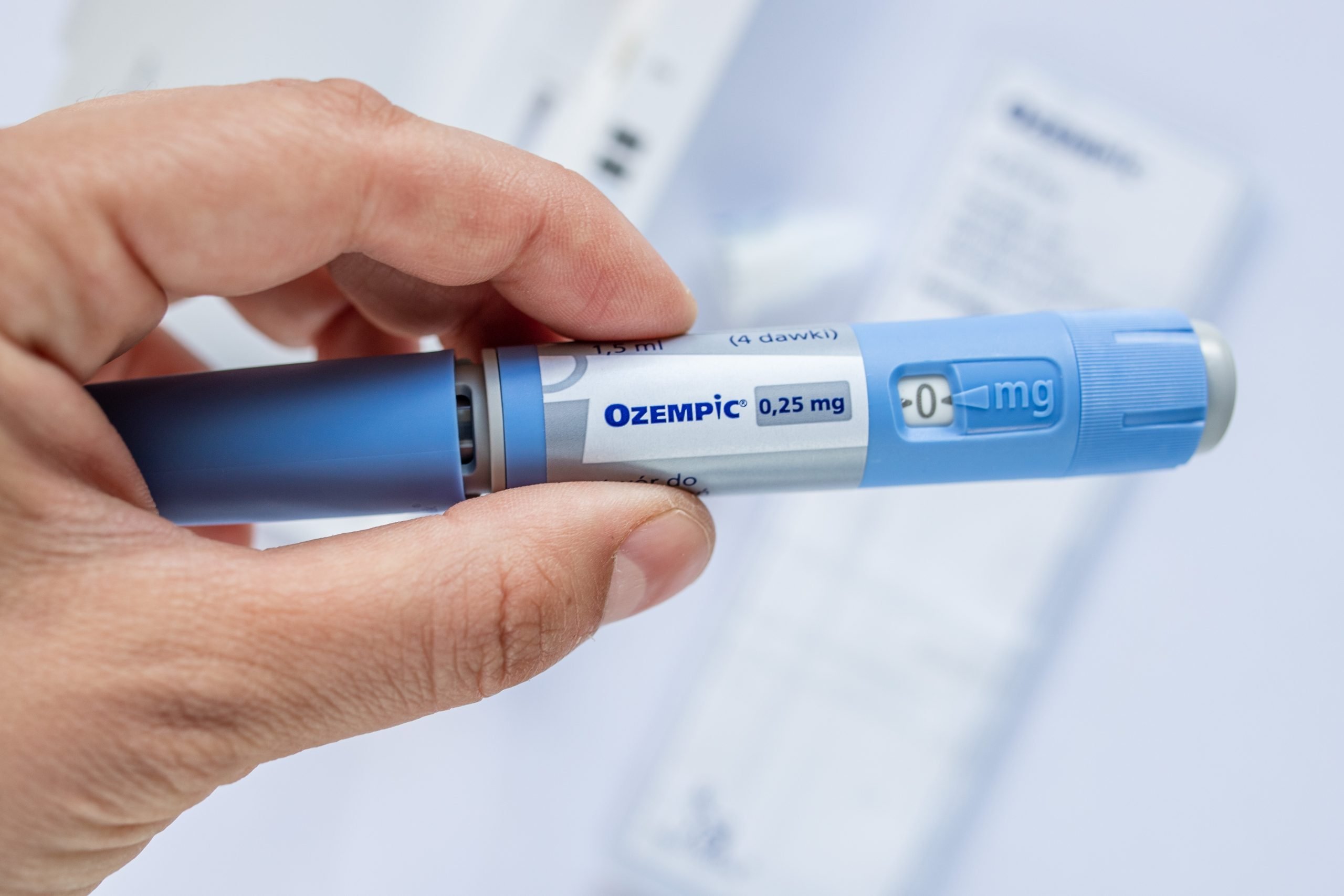
Ozempic is given as an injection. It is injected under the skin. People usually take it once each week. It comes in a pre-filled pen for easy use.
Why Do Doctors Prescribe Ozempic?
The main approved use for Ozempic is for adults. It helps adults with type 2 diabetes. Doctors prescribe it to improve blood sugar control. It is used along with diet changes. It is also used with exercise. Ozempic helps lower a measure called HbA1c. HbA1c shows average blood sugar levels. Lowering HbA1c reduces the risk of diabetes complications.
Using Ozempic can also help people with type 2 diabetes. It can help them lose weight. Weight loss is often a benefit for these patients. Managing weight is important in type 2 diabetes. It helps improve blood sugar control further.
It is important to know what is Ozempic approved for. It is specifically for type 2 diabetes. It is not for type 1 diabetes. People with type 1 diabetes need insulin. Ozempic is also not for treating diabetic ketoacidosis (DKA). DKA is a serious diabetes emergency.
Ozempic and Weight Loss: A Separate Consideration
Many people now associate Ozempic with weight loss. It is true that semaglutide can cause weight loss. This happens because it affects appetite. It also slows stomach emptying. This makes people feel full. They eat less food. Eating less leads to weight loss.
However, it is key to understand this point. Ozempic (semaglutide) is FDA-approved for type 2 diabetes. Weight loss is a positive side effect for many people with diabetes using Ozempic.
There is a different medication. It also contains semaglutide. This medicine is called Wegovy. Wegovy is approved by the FDA. It is approved specifically for chronic weight management. It is for adults who are obese. It is also for adults who are overweight. These adults must have at least one weight-related condition. Wegovy uses a higher dose of semaglutide than Ozempic pens designed for diabetes.
Sometimes, doctors may prescribe Ozempic off-label for weight loss. This means using a drug for a purpose not formally approved by regulators. This has become popular. But it is important to discuss risks. Using any medication off-label should be done carefully. It needs a doctor’s guidance. The safety and proper use of Ozempic are tied to its approved indications.
How Should Someone Use Ozempic?
Using Ozempic correctly is crucial. It is an injectable medication. Patients inject it themselves. Doctors or nurses teach them how.

- It is usually given once per week.
- The injection site is under the skin. Common sites include the stomach area, thigh, or upper arm.
- The dose typically starts low. Doctors increase the dose slowly over time. This helps reduce side effects. It helps the body adjust.
- The day of the week for the injection can be flexible. But it should be taken on the same day each week if possible.
- Patients must follow the specific instructions. These instructions come with the pen. They also come from the prescribing doctor.
- Storing Ozempic is important. It needs refrigeration before its first use. After the first use, it can often be stored at room temperature or in the refrigerator. Storage instructions must be checked carefully.
Common Side Effects of Ozempic
Now, let’s look at the potential side effects of Ozempic. Most people tolerate the medication well. But some people do experience unwanted effects. Knowing the common side effects of Ozempic is helpful.
The most frequently reported side effects of Ozempic affect the stomach and gut. These are known as gastrointestinal side effects. They include:
- Nausea (feeling sick to your stomach)
- Vomiting (throwing up)
- Diarrhea (loose stools)
- Constipation (difficulty having bowel movements)
- Abdominal pain (stomach ache)
These side effects happen often. They are usually mild to moderate. They are often worse when first starting the medication. They can also be worse when the dose is increased. These effects often get better over time. The body adjusts to the medicine.
Tips for managing common side effects include:
- Eating smaller meals.
- Eating more slowly.
- Avoiding fatty foods.
- Drinking clear liquids.
- Talking to your doctor about the dose. The doctor might adjust it.
These common side effects of Ozempic are usually not serious. But they can be uncomfortable.
More Serious Side Effects of Ozempic
While common side effects of Ozempic are mild, some potential risks are more serious. It is important to be aware of these. If any serious symptoms occur, seek medical help right away.
More serious side effects of Ozempic can include:
- Pancreatitis: This is inflammation of the pancreas. The pancreas is a gland. It helps with digestion and makes insulin. Symptoms of pancreatitis include severe stomach pain. The pain is usually in the upper belly. It may spread to the back. Nausea and vomiting are also symptoms. It can be a medical emergency. The risk of pancreatitis is increased with GLP-1 medicines.
- Gallbladder Problems: Ozempic can increase the risk of gallstones. Gallstones can cause pain. This pain is often in the upper right belly. It can happen after eating fatty foods. Severe gallbladder problems might require surgery.
- Kidney Problems: Ozempic might worsen kidney problems. This is especially true if someone has existing kidney issues. Nausea, vomiting, and diarrhea can cause dehydration. Dehydration can make kidney problems worse. Staying hydrated is important.
- Hypoglycemia: This means low blood sugar. Ozempic helps lower high blood sugar. But the risk of very low blood sugar (hypoglycemia) is low when used alone. The risk goes up significantly when Ozempic is used with other diabetes medications. These include insulin or sulfonylureas. Symptoms of low blood sugar include shakiness, sweating, dizziness, confusion, and weakness. Learning to recognize and treat low blood sugar is vital if using these combinations.
- Allergic Reactions: Some people can have an allergic reaction to Ozempic. Symptoms might include rash, itching, swelling of the face, lips, tongue, or throat. Difficulty breathing is a serious sign. Seek emergency help for severe allergic reactions.
Understanding these potential serious side effects of Ozempic is part of informed medical care.
Who Should NOT Use Ozempic? Warnings and Contraindications
Certain people should not use Ozempic. There are specific warnings from the FDA.

- Do not use Ozempic if you or anyone in your family has ever had a type of thyroid cancer. This cancer is called medullary thyroid carcinoma (MTC).
- Do not use Ozempic if you have a rare genetic condition. This condition is called Multiple Endocrine Neoplasia syndrome type 2 (MEN 2).
- These warnings are based on studies in animals. Semaglutide caused thyroid C-cell tumors in rats and mice. It is not known if Ozempic causes these tumors in humans. But if you have these risk factors, you should avoid it.
- Do not use Ozempic if you have had pancreatitis in the past.
- Use cautiously if you have severe gastrointestinal disease. Slowed stomach emptying could worsen conditions like gastroparesis.
- Ozempic is not recommended during pregnancy. It is also not recommended while breastfeeding. Tell your doctor if you are pregnant or planning to become pregnant.
- Do not use Ozempic if you are allergic to semaglutide or any ingredients in Ozempic.
Always provide your full medical history to your doctor. This helps them decide if Ozempic is safe for you.
Other Important Considerations & Precautions
Beyond what is Ozempic and its side effects, there are other points to consider.
- Thyroid Tumor Risk: As mentioned, the animal studies showed a risk of thyroid tumors. The human risk is unclear. Watch for symptoms like a lump in the neck, hoarseness, or trouble swallowing. Report any such symptoms to your doctor.
- Monitoring: Doctors will monitor you while you take Ozempic. They will watch for signs of pancreatitis or gallbladder problems.
- Diabetic Retinopathy: People with a history of diabetic retinopathy might see it worsen when using GLP-1s rapidly lower blood sugar. Doctors monitor eyes in these patients.
- Interactions: Ozempic affects how fast food and medicines move through the stomach. This can affect how other oral medicines are absorbed. Tell your doctor about all other medications you take.
The Future of Ozempic and Similar Medicines
Ozempic represents a class of medicines. These medicines are changing how doctors treat type 2 diabetes. They also impact how doctors approach weight management. Research continues for semaglutide and other similar drugs. Scientists are studying potential new uses. They are also looking at different ways to take the medicine (like pills). This area of medicine is growing fast.
In summary, Ozempic is a medication containing semaglutide. It is primarily prescribed to help adults with type 2 diabetes manage their blood sugar. It works by mimicking a natural hormone. It helps the body use insulin better. It also affects appetite and stomach emptying. A significant benefit for many patients is weight loss. However, it is important to distinguish Ozempic’s approved use from the specific weight loss drug, Wegovy, which uses a higher dose of the same active ingredient.
Like all medications, Ozempic has potential side effects. The most common are stomach and gut related. More serious, though less frequent, side effects of Ozempic can include pancreatitis, gallbladder issues, or kidney problems. Certain medical histories, like specific thyroid cancers, mean someone should not use Ozempic.
Understanding what is Ozempic used for and its possible side effects is essential. It is a powerful medicine. It can help many people. But it is not right for everyone. Always talk to your doctor. Discuss your health history fully. Your doctor can decide if Ozempic is a safe and appropriate choice for your specific health needs. Using any prescription medication must be done under strict medical guidance. Stay informed about your health and treatment options.

Many individuals seek ways to achieve a slimmer facial appearance. While various slimming products claim to offer targeted solutions for face fat, the most effective and sustainable approach involves comprehensive Read more

The field of autism research has seen significant advancements over the past two decades. Experts from around the globe convene annually at events like the International Society for Autism Research Read more

Polio once caused great fear. The disease led to paralysis and death for many. Thankfully, vaccines changed this. Polio is now rare globally. Eradicating polio depends on continued shots. Polio Read more

Recent scientific research has shed light on the pervasive presence of potentially harmful substances within widely used personal care products. A new study, published on May 7, 2025, in Environmental Read more

Television personality Montel Williams is once again openly sharing details about his personal journey with multiple sclerosis (MS), specifically recalling the moment he received his life-altering diagnosis. [caption id="attachment_473" align="alignnone" Read more

In our increasingly fast-paced lives, convenience often dictates our food choices, especially when it comes to the first meal of the day. Breakfast, touted as the most important meal, is Read more