

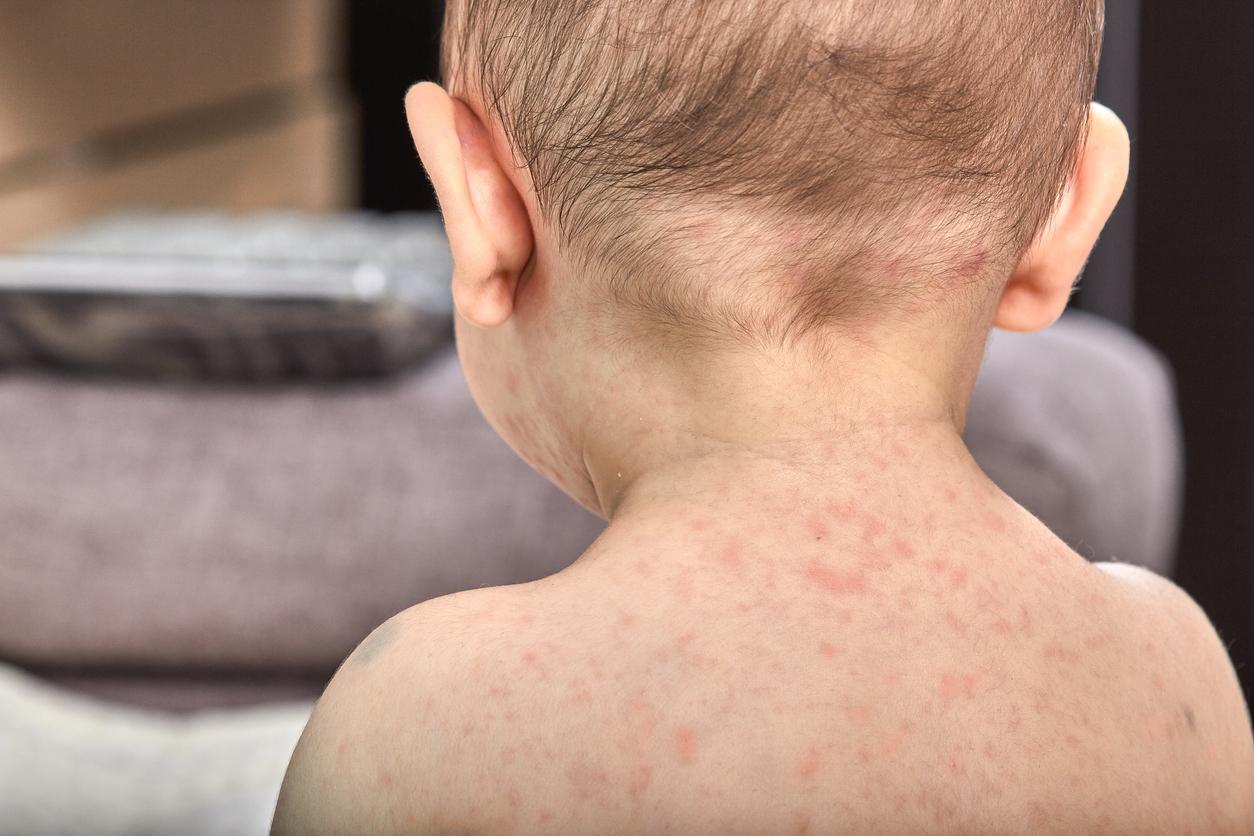
Measles symptoms are vital to identify. Measles, also known as rubeola, is a highly contagious illness. A virus causes it. This virus spreads very easily through the air. Spotting measles symptoms early is incredibly important.
Quick recognition helps stop its spread. It also ensures you get medical care fast. This article will explain all aspects of measles symptoms. We will cover how the disease develops. We will also discuss its health impact. Knowing these signs helps keep your community safe.
What are the Stages of Measles Symptoms?
Measles symptoms unfold in distinct stages. The incubation period is typically 10 to 12 days. You won’t show any signs during this time. However, the virus is already multiplying inside you. The first phase of measles symptoms is called the prodromal stage. This stage usually lasts for two to four days.
Early Measles Symptoms: The Prodromal Phase
Initial measles symptoms can seem like a common cold. This makes diagnosing it early quite tricky. Here are common early signs:
- High Fever: A fever often climbs to 103∘ F (39.4∘C) or higher. It can strike suddenly. This fever usually lasts for several days.
- Cough: A dry, hacking cough is typical. It can be persistent and severe. This cough often worsens as the illness progresses.
- Runny Nose: A clear, watery discharge from the nose is common. This nasal discharge can be heavy.
- Red, Watery Eyes (Conjunctivitis): Your eyes become inflamed. They also get sensitive to light, known as photophobia. This can cause significant discomfort.
- Sore Throat: You might feel general discomfort in your throat. Swallowing can become painful.
Koplik’s Spots: A Distinctive Measles Symptom
One of the most unique measles symptoms is Koplik’s spots. These tiny spots appear inside your mouth. They are small and white. Each spot has a reddish background. They look like grains of salt. Koplik’s spots usually show up two to three days after the first measles symptoms start. They often appear before the skin rash. Their presence strongly suggests measles. Spotting them helps confirm the diagnosis. They typically last only a day or two.
The Measles Rash: The Hallmark Measles Symptom
The characteristic rash is a main measles symptom. This rash usually appears about three to five days after the initial measles symptoms. It generally emerges a day or two after Koplik’s spots.
How the Measles Rash Spreads
The measles rash typically begins on your face. It starts behind the ears. Then, it moves to your hairline. It also spreads to your neck. Over the next few days, the rash moves downwards. It covers your trunk, arms, and legs.
Finally, it reaches your feet. The rash consists of flat, red spots. These are called macules. They are often slightly raised bumps, known as papules. The spots might join together. This creates large, blotchy patches. The rash can feel itchy. It usually lasts for five to six days. As the rash fades, it might leave a brownish discoloration. Fine, flaky skin peeling can also occur.
Later Symptoms and Recovery
After the rash appears, your fever might rise again. This is a common occurrence. Other measles symptoms, like coughing and a runny nose, may continue. They gradually get better. The fever usually goes down after two to three days of the rash. The rash starts to fade in the same order it appeared. Recovery typically happens within seven to ten days. However, complications can sometimes develop.
Potential Complications of Measles
Measles can lead to serious complications. These are more frequent in young children. They also affect adults over 20. People with weakened immune systems face a higher risk.
Common Measles Complications
- Ear Infections: These happen often. They can potentially lead to permanent hearing loss.
- Diarrhea and Vomiting: These can cause dehydration. Drinking enough fluids is crucial.
- Pneumonia: This is a severe lung infection. It is a leading cause of death from measles.
- Bronchitis and Croup: These are inflammations of the respiratory tract. They can make breathing difficult.
Rare but Severe Complications
Encephalitis: This is brain inflammation. It can cause convulsions, coma, or lasting brain damage. It typically occurs in about 1 in 1,000 cases.
Subacute Sclerosing Panencephalitis (SSPE): This is a very rare, fatal brain disorder. It can develop years after a measles infection. It affects roughly 1 in 25,000 to 1 in 100,000 measles cases.
When to Seek Medical Attention for Measles Symptoms
Contact a doctor immediately if you suspect measles. Prompt medical care is vital. This is especially true if you are not vaccinated. Seek help if you have been exposed. Look for the classic measles symptoms.
Urgent Medical Care Is Needed If:
- You or your child has a very high fever.
- A widespread rash appears.
- You have a severe cough or trouble breathing.
- You show signs of dehydration.
- Any changes in brain function occur, such as confusion or seizures.
Preventing Measles: The MMR Vaccine
Vaccination is the most effective way to prevent measles. The measles, mumps, and rubella (MMR) vaccine works extremely well. It offers strong protection against the disease.
Recommended Vaccination Schedule
Children usually receive two doses of the MMR vaccine. The first dose is given between 12 and 15 months of age. The second dose is given at 4 to 6 years of age. Adults who were not vaccinated should also get the MMR vaccine. This protects them directly. It also helps achieve “herd immunity” in the community.
Contagious Period of Measles
Measles is highly contagious. It can spread before the rash appears. It remains contagious for several days after the rash starts.
The Contagious Window
A person with measles is contagious. They can spread the virus from four days before the rash appears. They remain contagious until four days after the rash begins. This long contagious period helps the virus spread quickly. Infected individuals can easily transmit the virus. This happens through coughing and sneezing. The virus can stay in the air. It can also live on surfaces for up to two hours.
Act on Measles Symptoms
Quickly recognizing measles symptoms is essential. This helps limit the spread of this serious illness. The distinctive rash, high fever, and Koplik’s spots are key indicators.
Vaccination with the MMR vaccine provides the best protection. It protects individuals and the broader community. If you suspect measles, contact your healthcare provider right away. Early diagnosis and isolation can prevent more infections. Stay informed and prioritize vaccination. This combined effort safeguards public health.

For years, patients with diverticulitis, a common digestive condition, have often been advised to avoid certain foods like nuts, seeds, and popcorn, based on the belief that these small particles Read more

Recent scientific research has shed light on the pervasive presence of potentially harmful substances within widely used personal care products. A new study, published on May 7, 2025, in Environmental Read more

Many people want to feel their very best. They seek more than just not being sick. They want true vitality. They want their bodies to work well. This is the Read more

South Korea is rapidly solidifying its position as a premier destination for medical tourism, witnessing an unprecedented surge in international patients seeking a wide array of treatments. This remarkable Read more

Many desire a whiter, more dazzling smile, especially when daily habits like enjoying coffee or red wine leave their mark. The good news is that achieving a noticeably brighter smile Read more

In the realm of nutrition, protein consistently stands out as a crucial macronutrient, playing a multifaceted role in nearly every bodily function. While general dietary guidelines often recommend a Read more