
The Public Service Loan Forgiveness (PSLF) program was established by the U.S. Congress in 2007 with a clear and commendable objective: to encourage college graduates to pursue careers in public service.
Many vital roles in government and nonprofit sectors offer salaries that are typically lower than those in the for-profit private sector. To incentivize individuals to commit to these essential public-facing jobs, the PSLF program promised to cancel the remaining federal student loan debt for eligible borrowers after they made 120 qualifying monthly payments—equivalent to 10 years of service—while working for a qualifying employer.
Traditionally, qualifying employers have included various levels of government (federal, state, local, and tribal) and many non-profit organizations. These non-profits are typically recognized under Section 501(c)(3) of the Internal Revenue Code and are eligible if they focus on specific areas, including public interest law, public health, education, and social services.
Over the years, PSLF has provided critical financial relief to more than 1 million Americans, enabling dedicated professionals such as nurses, teachers, college staff, firefighters, and park rangers to pursue their passions without the crushing burden of student loan debt. This program has been a cornerstone for recruiting and retaining talent in sectors vital to the nation’s well-being.
A New Direction: Trump Administration’s Proposed Overhaul
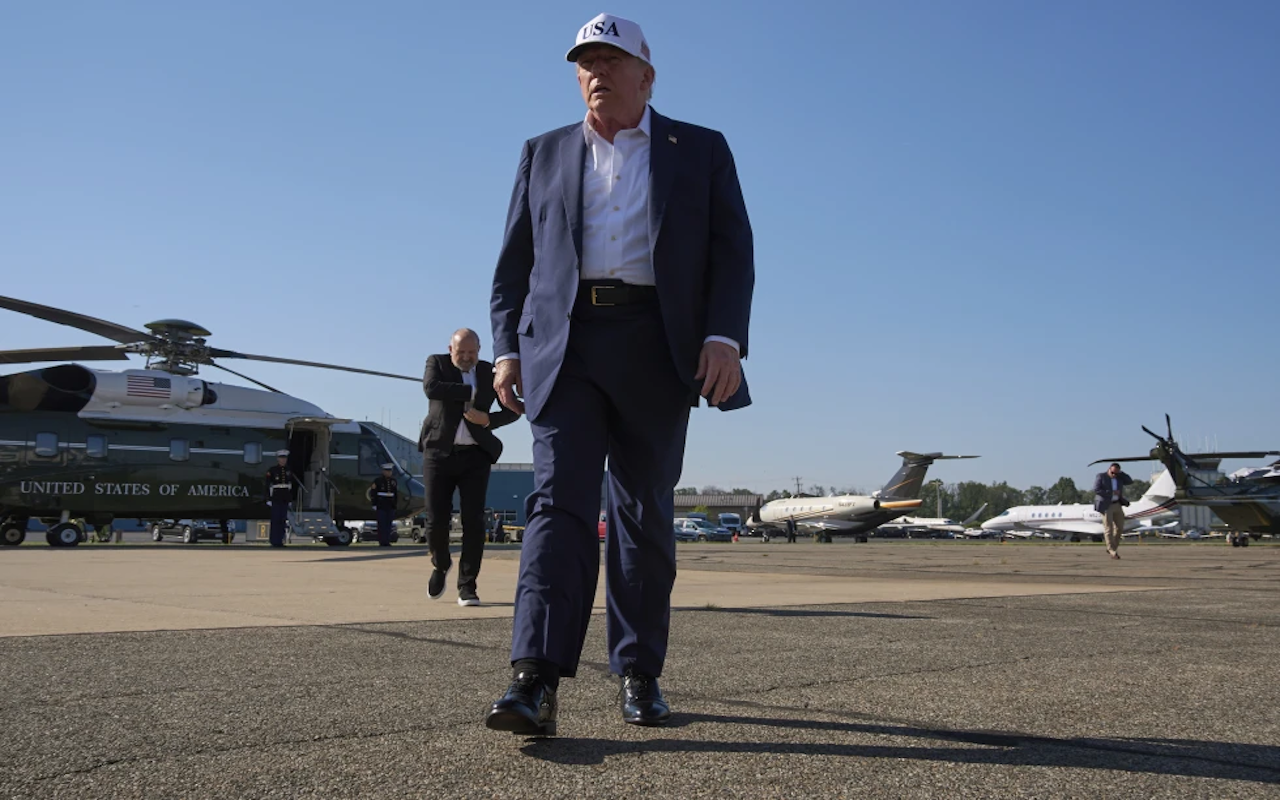
However, the future and integrity of the PSLF program are now under intense scrutiny. President Donald Trump is actively reshaping this crucial student loan cancellation program. This overhaul, currently being prepared by the U.S. Education Department, is raising alarms among some advocates who fear it will transform into a tool for political retribution. The proposed changes specifically target organizations that serve immigrants and transgender youth, marking a significant departure from the program’s original, broad public service mission.
President Trump initially ordered these changes in March 2025, asserting that the program had “misdirected tax dollars into activist organizations” that, in his view, harm national security. He explicitly directed the Education Department to remove organizations deemed to be involved in “illegal activities.” In his directive, he specifically singled out groups working with immigrants, those supporting transgender youth, and organizations he labels as supporting terrorism—a term he has often applied to pro-Palestinian activists. This clear political framing of the program’s intended beneficiaries has ignited widespread concern.
Redefining “Illegal Activities”: A Subjective Power?
The core of the proposed overhaul lies in its new, expanded definitions of “illegal activity.” A draft proposal released by the Education Department includes definitions that largely mirror those laid out by President Trump’s directive. These definitions notably center on immigration, terrorism, and transgender issues.
Specifically, the draft includes:
- “Aiding or abetting” in the violation of federal immigration law.
- Supporting any group designated as a foreign terrorist organization.
- Violations of the Civil Rights Act of 1964, a law that Trump administration officials have previously invoked to challenge and dismantle diversity, equity, and inclusion (DEI) policies.
- “Engaging in the chemical and surgical castration or mutilation of children in violation of Federal or State law.” This controversial definition further specifies that it includes the use of hormone therapy or drugs that delay puberty, and defines “children” as individuals under 19 years of age.
Advocates invited to participate in the negotiated rulemaking process, where stakeholders provide feedback on draft regulations, have voiced grave concerns. They argue that these broad and potentially ambiguous definitions could grant the Education Department an unprecedented and subjective authority to determine what constitutes “illegal” activity. This power, they contend, could be wielded to arbitrarily remove entire categories of organizations—from large hospital systems to even state governments—from PSLF eligibility, based on the Secretary’s discretion and without the requirement of a formal conviction or settlement.
Betsy Mayotte, president of the Institute of Student Loan Advisors, who was part of the rulemaking panel, openly expressed her apprehension. “That’s definitely an indicator for me that this is politically motivated and perhaps will be used as a tool for political punishment,” Mayotte stated, highlighting the perceived intent behind these sweeping changes. This sentiment is echoed by many who fear that the program, once a bipartisan incentive for public service, is being politicized.
Widespread Impact: Who Could Lose Loan Relief?
The implications of these proposed changes are significant and far-reaching. If implemented as currently drafted, the plan has the potential to block huge numbers of student loan borrowers from achieving cancellation. For those individuals working for an employer subsequently deemed ineligible, they would no longer be able to make progress towards their loan forgiveness. This effectively creates a Hobson’s choice: either find a new job that remains PSLF-eligible or forfeit years of dedicated service and the promise of loan forgiveness. This uncertainty could deter individuals from entering public service roles in the first place, or force experienced professionals out of critical positions.
Hospitals, Schools, and Nonprofits at Risk
The broad nature of the proposed “illegal activities” definitions places numerous public and nonprofit entities at risk:
- Healthcare Systems: There are significant concerns that entire hospital systems could become ineligible for PSLF if even a single department or clinic within them provides certain types of care to transgender youth, particularly gender-affirming care that might be deemed “illegal” under the new federal definition, even if legal under state law. This could have a chilling effect on medical services and potentially exacerbate existing shortages of doctors and nurses in critical areas.
- State and Local Governments: The federal government could potentially strip PSLF benefits from employees of entire cities or states that have policies limiting cooperation with federal immigration officials, such as “sanctuary city” policies. This could penalize a wide array of public servants who work for such municipalities.
- Educational Institutions: The proposal also includes violations of the Civil Rights Act of 1964, which has been used by Trump officials to target Diversity, Equity, and Inclusion (DEI) policies. This raises fears that public schools or universities implementing DEI initiatives could be flagged, jeopardizing PSLF eligibility for their staff. Alyssa Dobson, financial aid director at Slippery Rock University and a member of the rulemaking panel, highlighted this concern, stating, “I could see entire cities and entire civil structures being targeted.” She added that it could give the administration “another tool in its campaign against universities that run afoul of the president’s politics,” potentially allowing them “to further chase the undesirable institutions, in their view.”
- Immigrant and Refugee Services: Nonprofits that provide legal services or support to immigrants, regardless of their legal status, are explicitly targeted. Many such organizations have been crucial in assisting vulnerable populations, and their removal from PSLF eligibility would directly impact their ability to attract and retain qualified staff.
Ambiguity and Oversight Concerns
While the Education Department’s proposal states it will consider court judgments and other legal findings when determining employer ineligibility, it conspicuously leaves room for a significant degree of subjectivity. The draft grants the U.S. Education Secretary the authority to exclude organizations without requiring proof of a conviction or a formal settlement. This level of discretion has fueled concerns about arbitrary enforcement and politically motivated decisions.
During the negotiated rulemaking sessions, only one negotiator formally opposed the overall proposal. However, several other negotiators, while ultimately voting in favor of specific tweaks that they felt improved the rule’s language, still expressed strong reservations about the underlying intent and potential consequences.
An Education Department spokesperson, in response to these concerns, stated that the agency “has an obligation to prevent unlawful conduct and ensure that employers in the PSLF program are not complicit in illegal activities.” However, advocates argue that the definitions remain ambiguous and open to wide interpretation. Emeka Oguh, CEO of PeopleJoy, a company that assists employers with student loan relief programs and a member of the rulemaking panel, pointed out the vagueness. He encouraged the Education Department to apply the power surgically, targeting individual departments or divisions within larger organizations rather than whole systems.
Oguh also recounted how department officials were unable to provide concrete examples of organizations that might be found to be involved in the newly defined “illegal activities.” When pressed for details, officials clarified that a hospital treating an immigrant in the country illegally would not be considered illegal. However, there was “a lot of ambiguity” regarding how the department would handle educational institutions or teachers implementing lessons related to DEI.
Further complicating matters, a provision within the proposal requires employers to actively certify that they do not engage in “illegal activities.” Failure to provide this certification, even due to simple paperwork problems or administrative oversight, could also render an organization ineligible. This raises the alarming risk that huge numbers of borrowers could lose their progress towards cancellation due to administrative missteps by their employers, rather than any actual “illegal activity.”
What Comes Next for PSLF?
The Education Department has indicated that it is open to making further changes based on the concerns raised during the negotiated rulemaking process. However, ultimately, the agency retains the authority to shape the final proposal as it sees fit.
The next critical step is the preparation of a formal Notice of Proposed Rulemaking (NPRM), which will then undergo a public comment period. This period will allow individuals, organizations, and the public to submit formal feedback on the proposed regulations. After considering these comments, the agency will finalize the rule. It is currently expected that these significant changes to the PSLF program will take effect in July 2026.
Just last week, following the conclusion of the negotiated rulemaking session, the Education Department released a statement thanking the experts who participated. The statement reiterated that the experts “helped fulfill one of President Trump’s promises to ensure that PSLF does not subsidize organizations that are breaking the law.”
This statement reinforces the administration’s resolve to implement these changes, despite the ongoing concerns raised by advocates and the potential impact on countless public service workers. Borrowers currently relying on PSLF, and their employers, will need to closely monitor these developments and prepare for a potentially drastically altered landscape for student loan forgiveness.

Millions of Americans are eagerly anticipating their federal tax refunds for 2025. Throughout June, the Internal Revenue Service (IRS) is actively processing and distributing these payments. Funds are being Read more
President Donald Trump has once again publicly pressured Federal Reserve Chairman Jerome Powell to cut interest rates. His demand came on Wednesday, immediately after the release of a surprisingly weak Read more
Cambodia is preparing for economic growth. It plans to boost trade. It also wants more investment. This focus is on Laos. It is also on the Philippines. Double taxation agreements Read more

The past week in the dynamic cryptocurrency market was a textbook example of both immense opportunity and inherent risk. Our disciplined, tactical positioning strategy proved exceptionally effective in navigating these Read more

McDonald's is discontinuing its experimental CosMc's beverage concept. This decision marks the end of an initiative that began just two years ago. The space-themed spinoff was created to tap into Read more

Amazon (AMZN) stock experienced a decline in early trading on Friday, following the company's first-quarter earnings report released on Thursday. While the e-commerce and cloud giant surpassed analyst expectations for Read more